
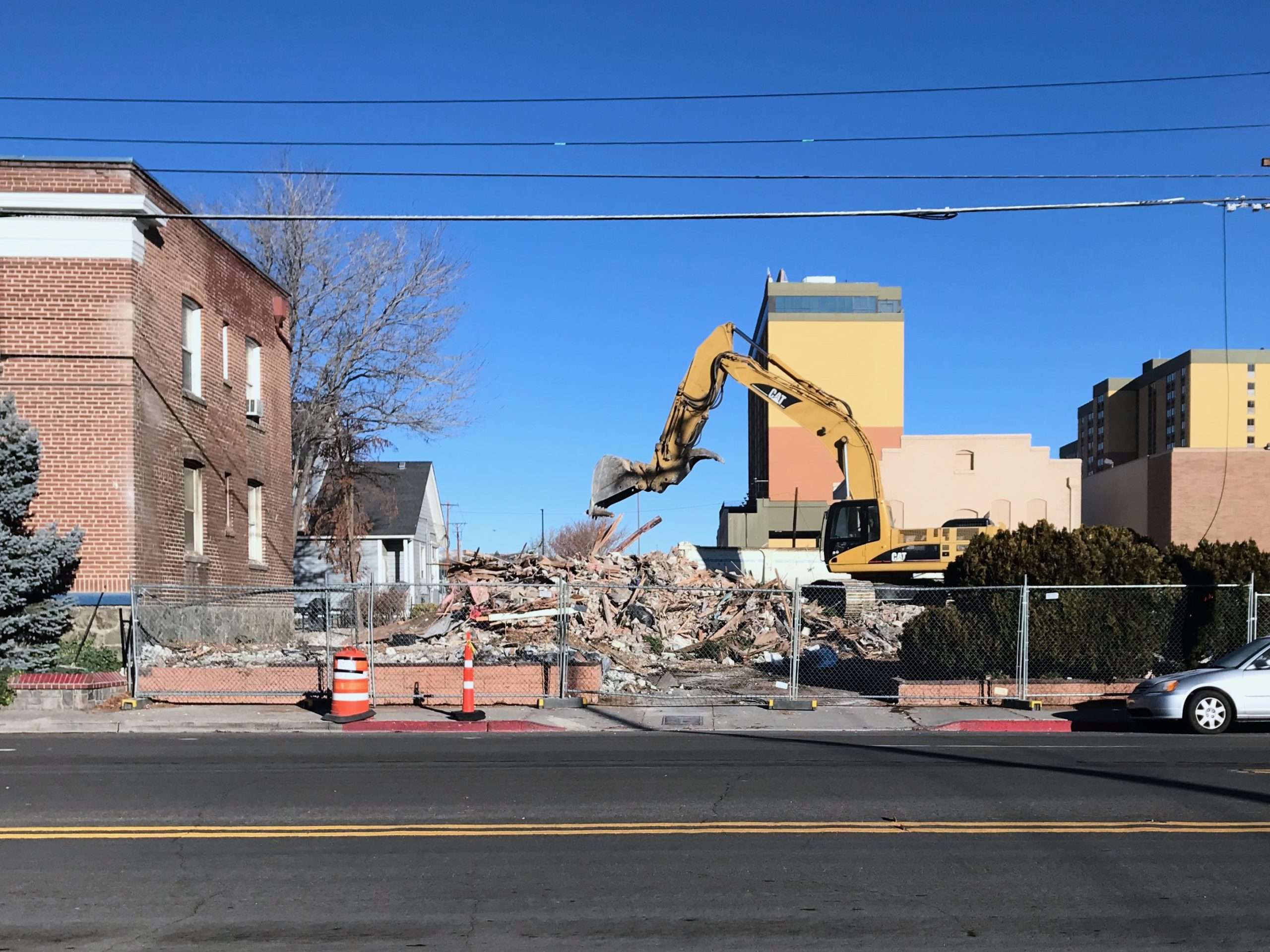
Urban renewal projects are essential to the revitalization of aging cities and the transformation of neglected neighbourhoods. With urbanization on the rise and the need for infrastructure renewal, demolition services play a critical role in clearing the way for redevelopment and providing a fresh start for city landscapes. Demolition services, often seen as a first step in such projects, are key in enabling the reuse of land, making it suitable for new developments and modern urban spaces. This transformation is not just about tearing down old buildings; it’s about creating new opportunities, improving the quality of life, and fostering economic growth.
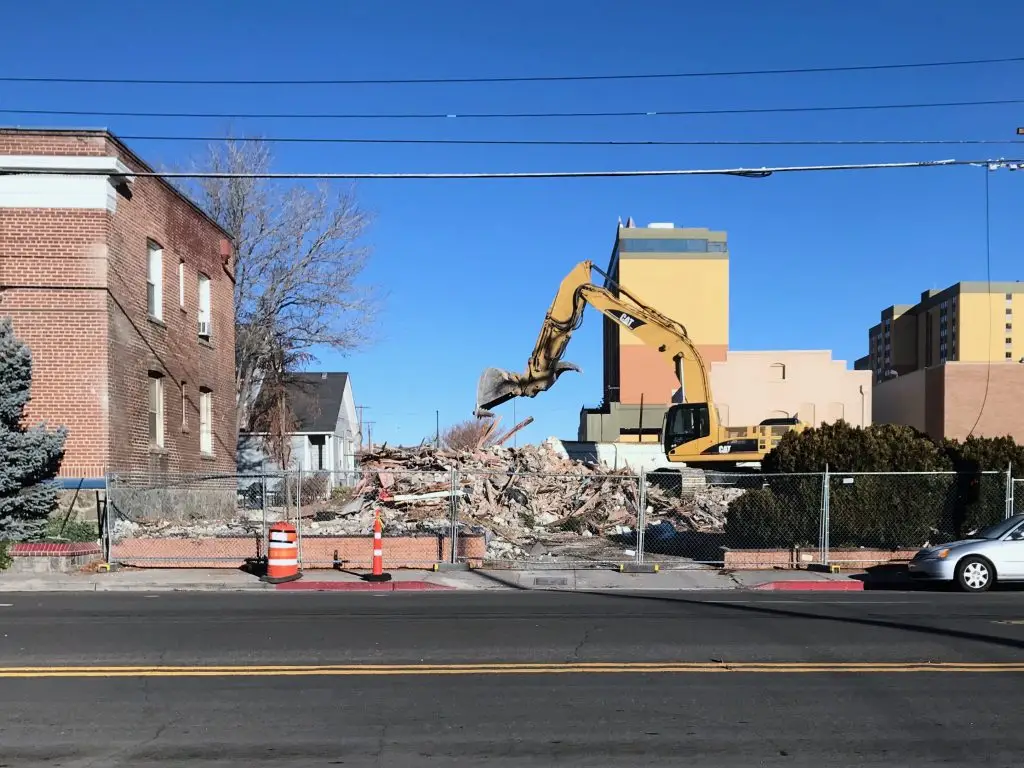
The Role of Demolition Services in Urban Renewal
Demolition services play a vital role in various urban renewal projects, each contributing to the overall success of the initiative. Whether it’s the destruction of an unsafe structure or the preparation of a site for new developments, demolition contractors are central to any urban revitalization effort. Here are some key ways demolition services are impacting urban renewal:
- Clearing the Way for New Developments.” The most obvious function of demolition services is to clear sites for new construction. Old, dilapidated buildings may have outlived their usefulness and cannot be repurposed effectively. Demolition clears the space for new, more efficient structures that can accommodate modern needs. For example:
- Residential: New housing projects in previously underdeveloped areas.
- Commercial: New office buildings, retail spaces, and business hubs.
- Public Infrastructure: Parks, transportation hubs, and public service buildings.
- Environmental Sustainability: Urban renewal projects often prioritize environmental sustainability. Demolition services are no longer just about demolition but also about reducing environmental impact. Modern demolition techniques emphasize recycling and reusing materials, which reduces waste and promotes eco-friendly construction practices.
- Recycling Materials: Recycled materials like steel, concrete, and wood can be repurposed for new developments.
- Hazardous Material Removal: Proper disposal of hazardous materials like asbestos and lead helps prevent environmental contamination.
- Safety and Risk Mitigation: As cities grow older, many buildings become unsafe, creating risks for residents and workers. Demolition services help eliminate these hazards by removing unstable structures. This safety-first approach ensures the overall well-being of both construction workers and the public.
- Collapse Risk: Demolition removes structures that are at risk of collapsing.
- Fire Hazards: Old buildings may have outdated electrical systems, posing a fire risk.
- Infrastructure for Smart Cities: Modern urban renewal often focuses on creating “smart cities” that utilize technology to improve quality of life. Demolition services pave the way for the construction of technologically advanced infrastructures, such as smart homes, energy-efficient buildings, and green public spaces.
- Data Centers and Tech Hubs: Space cleared for the development of high-tech facilities.
- Sustainable Buildings: Creating energy-efficient, environmentally friendly buildings that support smart city initiatives.
- Transforming Historical and Cultural Landscapes: While some urban renewal projects involve replacing outdated infrastructure, others focus on preserving cultural and historical landmarks. Demolition services can aid in the careful deconstruction of historic sites, allowing for the restoration or preservation of buildings of cultural significance. This process ensures that the past is respected while making room for progress.
Challenges in Urban Renewal Demolition
While demolition services are an integral part of urban renewal, there are several challenges that professionals in the field face when working on such projects. These challenges are often tied to the complexity of the structures involved, the regulatory environment, and environmental concerns.
- Permitting and Regulations: Urban renewal demolition projects must adhere to local government regulations, zoning laws, and environmental guidelines. Demolition contractors must secure the necessary permits before beginning the work, which can be a lengthy and complicated process.
- Complex Structures: Older structures, especially those that are historically significant, often require careful and precise demolition techniques. For example, deconstructing buildings made of brick or stone may require specialized equipment and knowledge to avoid damaging nearby properties or the environment.
- Disposal of Waste: One of the most significant challenges faced during demolition is the disposal of materials. Demolition debris can fill landfills quickly, so contractors must manage waste responsibly, ensuring materials are properly sorted, recycled, or disposed of in accordance with environmental regulations.
- Community Impact: Demolition can impact local communities, especially when buildings are demolished in densely populated areas. The noise, dust, and debris can cause temporary disruptions to nearby residents and businesses. Careful planning and communication with the local community are vital for minimizing such disruptions.
- Cost and Time Constraints: Urban renewal projects are often on tight schedules and budgets, making efficient demolition crucial. Delays or budget overruns in the demolition phase can have a significant ripple effect on the entire project, pushing back completion dates and increasing overall costs.
Key Trends in Demolition Services for Urban Renewal
As cities evolve and urban renewal projects become more complex, the demolition industry is adapting to new trends and technologies that help make these projects more efficient, safe, and sustainable.
- Increased Use of Robotics and Automation: The use of robotics in demolition has revolutionized the industry. Robots equipped with sensors and cameras can handle dangerous tasks like removing hazardous materials or working in hard-to-reach areas. This reduces the risk of injury and improves efficiency.
- Green Demolition: Green or sustainable demolition is gaining popularity. This approach prioritizes environmental considerations and aims to minimize the carbon footprint of demolition projects. Contractors use techniques like selective demolition to salvage reusable materials and minimize waste.
- Waste-to-Energy Technologies: Demolition companies are increasingly using waste-to-energy technologies to reduce landfill waste and generate energy. By converting demolition debris into energy, contractors contribute to cleaner and more sustainable cities.
- Noise and Dust Control Technologies: Noise and dust control are critical in urban areas where demolition work can affect surrounding residents. The development of innovative techniques for dust suppression, noise reduction, and vibration control is helping to minimize the disruption caused by demolition activities.
- Smart Technology Integration: Demolition services are also benefiting from smart technologies that improve project management and coordination. Using tools like drones and AI, contractors can better assess structures, plan demolition methods, and track progress in real time, enhancing the overall efficiency of the project.
Why Choose RNK’s Services?
At RNK’s Services, we understand the importance of careful and efficient demolition in urban renewal projects. Our experienced team uses cutting-edge technology, sustainable practices, and a commitment to safety to deliver superior results in every project we undertake. We take pride in our attention to detail, ensuring that every demolition project we handle is done responsibly, minimizing environmental impact and maximizing the potential of every site.
Choosing RNK’s Services means partnering with a team that prioritizes efficiency, safety, and sustainability, all while adhering to the highest standards of quality and professionalism. Whether you’re a city planner, developer, or construction professional, we’re here to help bring your vision for urban renewal to life.
