
First impressions matter—whether it’s a commercial facility, a residential driveway, or a warehouse exterior, cleanliness reflects care. Many clients searching for a professional pressure washer service often ask about the difference between power and soft washing. These two methods, though both rooted in exterior cleaning, are not interchangeable. Each one serves a unique purpose, requires specific equipment, and is best applied in particular conditions. RNK’s Services makes precise decisions based on surface type, contamination level, and safety considerations to ensure the right method is chosen for each cleaning project.
The Core Differences Between Power and Soft Washing
At first glance, power and soft washing may appear similar—they both use water, hoses, and nozzles. But what truly sets them apart is the pressure and temperature involved.
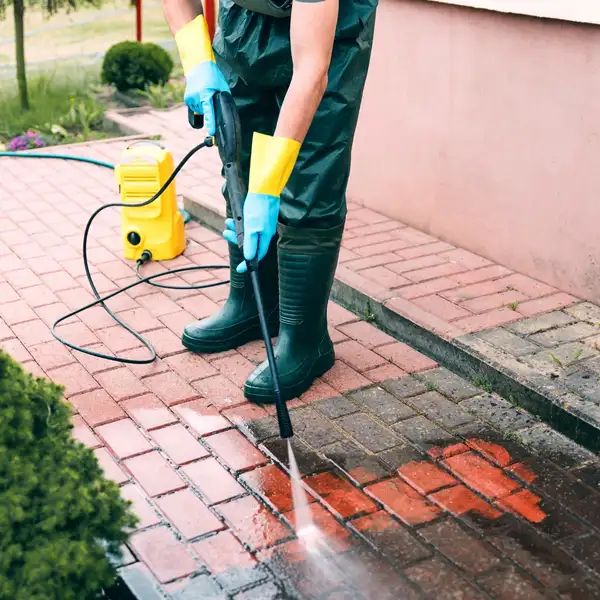
- Power Washing utilizes highly pressurized hot water, typically above 2,500 PSI. It’s effective for removing tough grime, grease, and salt from hard surfaces like concrete or brick.
- Soft Washing operates at a much lower pressure, generally below 500 PSI, combined with specially formulated cleaning solutions. It’s ideal for more delicate surfaces like siding, stucco, or wood.
Each approach demands a different skill set and awareness of the surfaces being treated. Applying power washing to a soft material can cause irreversible damage, while soft washing on stubborn stains may not yield the desired results.
Where Power Washing Excels?
Power washing is ideal for surfaces that can withstand high pressure and benefit from hot water cleaning, especially where built-up grime or oil-based residues are present.
Best Applications of Power Washing
- Concrete driveways and sidewalks: Especially those stained with oil or vehicle runoff.
- Brick walls and patios: Built-up mold, moss, or urban pollutants are lifted efficiently.
- Parking lots and garages: Where heavy foot traffic and vehicles leave tire marks and grease.
- Heavy equipment and machinery: Layers of dust, dirt, and lubricants can be removed with ease.
- Metal fences and gates: Rust, mildew, and algae growth are stripped without weakening the surface.
Power washing is often used for industrial and commercial properties where resilience is not a concern. However, it must be performed with precise control to avoid gouging or striping even the toughest surfaces.
Where Soft Washing Becomes Essential?
Soft washing is the safer choice for more sensitive surfaces, particularly those prone to chipping, paint loss, or warping under high pressure. It relies on biodegradable cleaning agents to break down dirt and kill biological growths.
Ideal Situations for Soft Washing
- Vinyl and wood siding: Avoids dents, cracks, and moisture intrusion under panels.
- Roof cleaning: Especially asphalt shingles that would otherwise tear or lift.
- Screens, enclosures, and outdoor furniture: Fragile materials prone to wear and tear.
- Stucco and painted surfaces: Prevents cracking or peeling paint.
- Decks and patios made from treated lumber: Protects wood grain integrity.
Soft washing offers a longer-lasting clean, especially for mold and mildew, as the solutions soak into the pores of surfaces to eliminate growth at the root level.
Decision-Making Factors for Choosing the Right Method
Determining whether to use power or soft washing isn’t always straightforward. Professionals assess multiple factors before making that call.
Key Decision Points
- Surface Material: Is it durable like concrete or delicate like cedar wood?
- Type of Stains: Grease and gum might require power; algae and mold may benefit from soft washing.
- Age and Condition: Older surfaces or structures with wear may only handle soft washing.
- Location: Areas close to gardens or outdoor electrical fixtures often require lower pressure.
- Accessibility: Some spaces are too confined for power washing equipment.
- Desired Outcome: Whether a surface needs deep grime removal or simply aesthetic revitalization.
By evaluating these criteria, RNK’s Services ensures that the surface is not only cleaned thoroughly but also preserved for longevity.
Environmental and Safety Considerations
Both methods come with their own set of environmental and safety practices. Professional contractors must balance cleaning efficiency with compliance and responsibility.
Power Washing Safety Concerns:
- Risk of etching concrete or blasting away mortar.
- Potential injury from high-pressure jets.
- Hot water may create steam or burns if improperly used.
Soft Washing Safety Practices:
- Requires proper chemical dilution to avoid plant or waterway damage.
- Surfaces must be thoroughly rinsed to avoid residue buildup.
- Protective gear is essential during application.
RNK’s Services takes measures to protect the surrounding landscaping, seal exterior outlets, and ensure runoff is safely managed regardless of the chosen cleaning method.
Misconceptions and Mistakes to Avoid
Many property owners assume more pressure equals better cleaning. In reality, misuse of power washing equipment is one of the most common causes of siding damage, roof deterioration, or water infiltration.
Common Mistakes:
- Power washing asphalt shingles: Results in granule loss and shortened lifespan.
- Using bleach improperly in soft washing: can discolor surfaces and kill surrounding plants.
- Holding the nozzle too close: Causes striping or gouging.
- Skipping the pre-treatment phase Reduces the effectiveness of both methods.
Professionals understand that the wrong technique can do more harm than good, which is why each project is assessed individually before equipment is ever turned on.
Equipment and Technique Differences
Power and soft washing each require a distinct set of tools and accessories. From nozzles to pressure regulators, the right setup plays a crucial role in job quality.
Power Washing Tools:
- High-pressure hose (rated 3000+ PSI)
- Hot water pressure washer with burner unit
- Turbo nozzle for spot cleaning
- Rotary surface cleaner for large flat areas
Soft Washing Tools:
- Low-pressure pump system (usually diaphragm pumps)
- Chemical injection system
- Soft bristle brushes for manual support
- Rinse injectors and proportioners
Expert technicians not only bring the tools, but they also bring the experience to use them precisely. It’s not just about equipment—it’s about knowing how and when to apply each solution.
Seasonal Considerations and Surface Readiness
The season, humidity levels, and prior treatment history can all influence cleaning strategies.
Warm Weather Considerations:
- Surfaces dry faster—ideal for soft washing treatment absorption.
- Hot temperatures may require quicker rinsing to prevent chemical streaking.
Cold Weather Considerations:
- Hot water power washing becomes more effective on frozen grime.
- Avoiding over-saturation helps prevent surface cracking in freezing temperatures.
Professional scheduling of washing services often aligns with these seasonal insights, ensuring surfaces are prepared to receive and retain the benefits of each method.
Maintenance Scheduling: When and How Often?
Cleaning frequency depends on the environment and use of the property. Areas surrounded by trees, close to highways, or located in humid zones will require more frequent treatments.
Recommended Schedules:
- Driveways and walkways: Once every 6–12 months with power washing.
- Siding and exterior walls: Every 12–18 months using soft washing.
- Roof maintenance: Every 2–3 years with careful soft washing.
- Commercial facades and signage: Quarterly or seasonal power washing for brand visibility.
Routine maintenance prevents buildup from escalating into costly repairs and extends surface life by years.
Industry-Specific Usage Scenarios
Different industries present different cleaning demands. RNK’s Services provides tailored solutions for:
Residential:
- House exteriors
- Pool decks
- Roofs and gutters
Commercial:
- Storefronts and signage
- Dumpster pads and drive-thrus
- Loading docks
Industrial:
- Manufacturing plants
- Equipment fleets
- Warehouse floors
Each scenario requires a calculated approach to choose between power and soft washing for performance and surface safety.
Quick Reference: Power vs. Soft Washing Cheat Sheet
| Feature | Power Washing | Soft Washing |
|---|---|---|
| Pressure Range | 2,500+ PSI | Below 500 PSI |
| Water Temperature | Hot | Ambient |
| Chemicals Used | Often minimal | Essential to the cleaning process |
| Surface Compatibility | Concrete, stone, metal | Wood, siding, shingles, glass |
| Cleaning Focus | Stains, oil, heavy grime | Mold, mildew, and organic buildup |
| Best For | Hard surfaces | Delicate or painted surfaces |
Why Choose RNK’s Services?
At RNK’s Services, every job begins with precision assessment. Whether your property needs the raw power of hot water jets or the delicate touch of soft wash solutions, our approach is always surface-safe, environmentally responsible, and results-driven. We don’t just clean; we care for your property with customized strategies, professional-grade equipment, and an eye for detail that others overlook.
Our team ensures that each pressure cleaning service—whether commercial or residential—is carried out with accuracy, safety, and integrity. From driveways and decks to roofs and fences, we deliver visible results while preserving the life and value of your structures.
Choose RNK’s Services for cleaning solutions that protect, restore, and enhance—without compromise.
